
Recycling of home waste into energy.

Updated: Jan 8
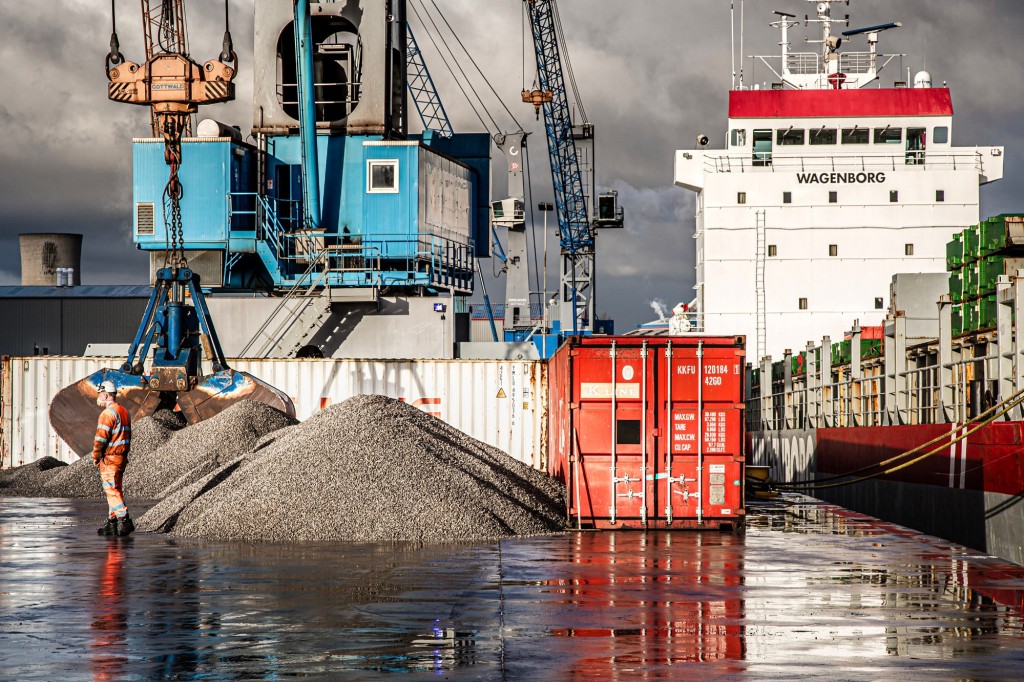
The first shipment of fuel pellets to South Africa from Port Middlesbrough marks a significant milestone in the ongoing efforts to promote sustainable energy solutions and reduce reliance on traditional fossil fuels. This initial cargo is not just a routine shipment; it represents a collaborative effort to harness innovative recycling technologies and promote environmental stewardship across international borders.
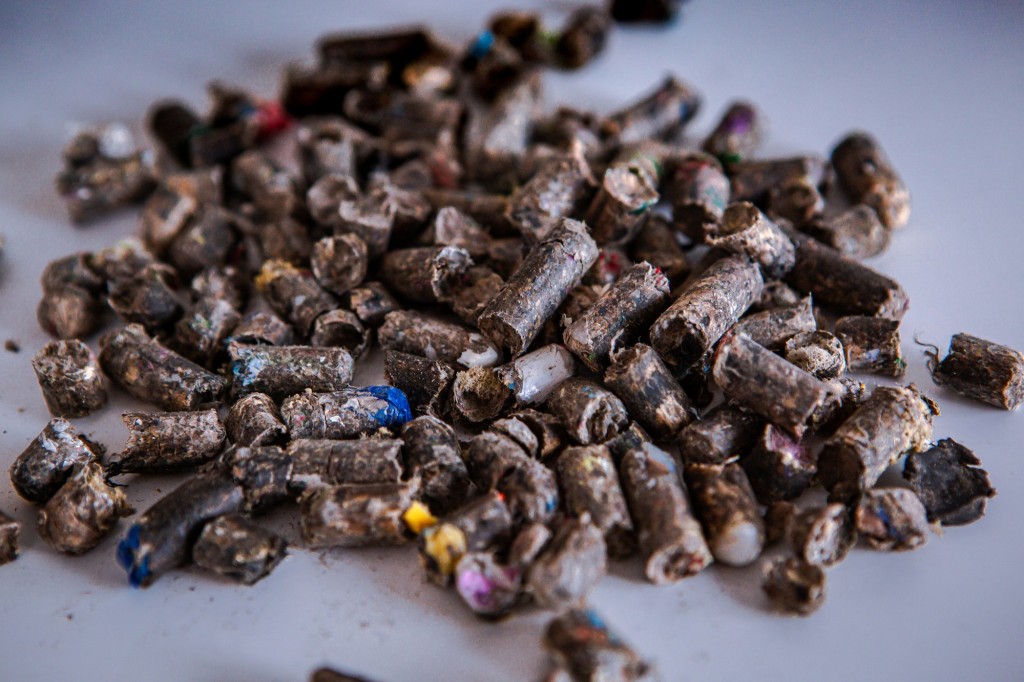
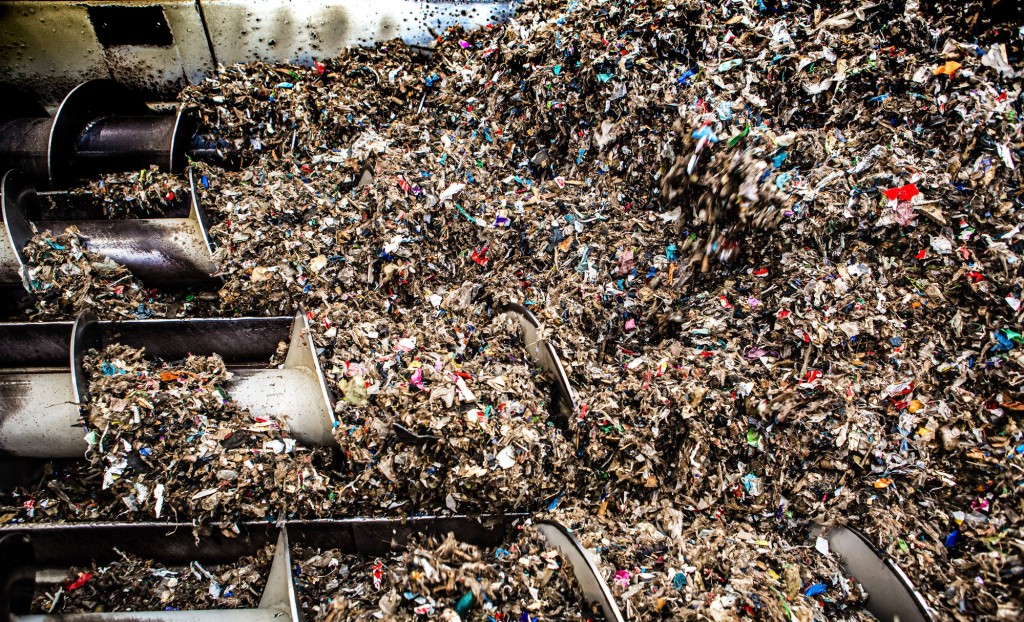
These inflammable pellets, which are a product of advanced processing techniques, are made from home-recycled waste collected from various sources. The Waste Knot Energy plant in Middlesbrough plays a pivotal role in this process by transforming everyday waste materials into valuable energy resources. This facility utilises state-of-the-art technology to efficiently convert organic and inorganic waste into high-quality fuel pellets, thereby minimising landfill contributions and promoting a circular economy.
The fuel pellets produced are designed to be highly efficient and environmentally friendly, offering a renewable alternative to conventional fuels. Their production not only helps in managing waste but also contributes to reducing greenhouse gas emissions, aligning with global sustainability goals. As these pellets are shipped to South Africa, they will provide an opportunity for industries and energy producers in the region to explore cleaner energy options, potentially leading to a significant reduction in their carbon footprint.
This shipment is expected to initiate a series of exchanges between the two regions, fostering a partnership focused on sustainable energy development. The collaboration could pave the way for further innovations in waste management and renewable energy technologies, ultimately benefiting both Middlesbrough and South Africa. The successful delivery of these pellets could serve as a model for future initiatives aimed at promoting ecological responsibility while meeting energy demands sustainably.
.


Documentary Industrial Photography by Chris J Parker Photographer

Comments