
Why Hiring a Professional Photographer Elevates Your Commercial Event
Updated: Sep 7
A commercial event can take months to plan and only a few hours to unfold. Product launches, awards evenings, trade shows, networking receptions, charity partnerships, customer events, and brand activations all share the same pressure point: once the room empties, the moment is gone.
That is why photography should never be treated as an afterthought. Good event images do more than prove that people attended. They capture the atmosphere, the care behind the planning, the people who made it meaningful, and the details that turn a gathering into a story worth sharing.
Hiring a commercial photographer gives a commercial event lasting value. It helps a business preserve the occasion, strengthen its public image, and create useful content for future marketing. More than that, it allows everyone involved to stay present while someone skilled records the moments that matter.

Professional photographers know how events really unfold
Commercial events rarely follow a perfect script. People arrive late, lighting changes, speakers move away from the best angles, and the most meaningful moments often happen at the edge of the room. A professional photographer understands this rhythm.
Experience matters because event photography is part technical skill and part anticipation. A professional does not simply wait for a posed smile. They watch for interaction, movement, emotion, and timing.
They know when to capture:
Guests greeting each other naturally
A speaker’s expression at the strongest part of a talk
A team reacting to an award or announcement
The details that show planning and care
The wider atmosphere of the venue
Quiet moments between key parts of the schedule
That judgement comes from working across different venues, lighting conditions, and event formats. A photographer who has covered commercial events before will know how to move through a space without disrupting it. They can read the room, stay discreet, and still be in the right place when something valuable happens.
There is also the pressure factor. An event organiser may be dealing with suppliers, guest arrivals, timing changes, and last-minute requests. Asking a team member to take photos on a phone may seem harmless, but it adds another task to someone who already has a role. It also risks patchy results.
A professional arrives with a clear plan. They will usually discuss the schedule, key people, must-have shots, and usage needs in advance. That preparation means fewer missed moments and a smoother experience on the day.
A commercial event is not just documented by a photographer. It is interpreted through timing, composition, and attention to what the event is meant to achieve.
Better equipment creates better images, but skill makes the difference
Modern phones can take impressive pictures in good conditions. Commercial events rarely give perfect conditions. Venues can be dark. Stage lights can create harsh colour casts. People move quickly. Backgrounds can be busy. Important shots may need to be taken from across the room.
Professional photographers bring equipment suited to those challenges. That often includes full-frame camera bodies, fast lenses, external flash, lighting modifiers, backup memory cards, spare batteries, and sometimes a second camera body. This kit gives them more control over focus, exposure, movement, and low light.
The result is not only sharper photographs. It is consistency.
A professional gallery should feel coherent from start to finish. The colour, contrast, framing, and file quality should support the event’s tone. Images should be clean enough for a website banner, press release, brochure, internal report, awards entry, or printed display.

Professional editing also plays a major role. The work does not end when the event finishes. After the shoot, the photographer selects the strongest images, corrects colour, adjusts exposure, refines crops, and prepares files for practical use.
That matters because raw event images can look uneven. One room may have warm tungsten lights, another may have cool LED lighting, and a stage may be lit in strong blue or purple. An experienced editor brings balance without making the images look fake.
Good equipment provides the foundation. Skilled use of that equipment turns difficult conditions into polished results.
Amateur coverage | Professional coverage |
Inconsistent focus, exposure and framing | Controlled, reliable image quality across the gallery |
Limited performance in low light | Specialist lenses and lighting for difficult venues |
Few useful images after the event | A curated set of images ready for real use |
Little or no post-production | Careful editing for colour, tone and consistency |
Team members distracted from their main role | Dedicated coverage from arrival to final shot |
Strong photography improves brand image and marketing
Every public event says something about a business. The venue, guest experience, presentation style, and attention to detail all shape how people remember it. Photography extends that impression beyond the room.
Professional images can support brand image in a way casual snapshots usually cannot. They help a business look organised, credible, and worth paying attention to. The quality of the photography becomes part of the perceived quality of the event itself.
This is especially useful when images need to appear across several channels. A strong event gallery can provide assets for:
Website news posts and case studies
Press releases and media packs
Email newsletters
Sales presentations
Recruitment materials
Annual reports
Event recaps
Future sponsorship proposals
Printed brochures and display materials
High-quality images also help tell a story to people who were not there. That could include clients, partners, stakeholders, future attendees, or internal teams in other locations. Instead of saying the event was well attended, the photos can show energy in the room. Instead of claiming the launch felt exciting, the gallery can show the crowd reaction.
This is where professional photography becomes a marketing asset rather than a record-keeping task.
A well-shot event can create content for weeks or months. A team might use one image in a post-event article, another in a proposal, another in a recruitment campaign, and another in an invitation for the following year. The return from the shoot continues long after the venue has been cleared.
There is also trust to consider. Blurry, poorly lit, or awkwardly framed images can make even a well-run event look underwhelming. Clear, natural, well-composed photography gives the event the visual quality it deserves.
Candid moments turn coverage into a story
The most memorable event photographs are often not the posed group shots, although those have their place. They are the unscripted moments.
A guest laughing during a conversation. A team member pausing with relief after a successful launch. A speaker making eye contact with the audience. Two people meeting for the first time and clearly connecting. These images carry feeling.
Candid photography is powerful because it shows what the event felt like, not only what it looked like.
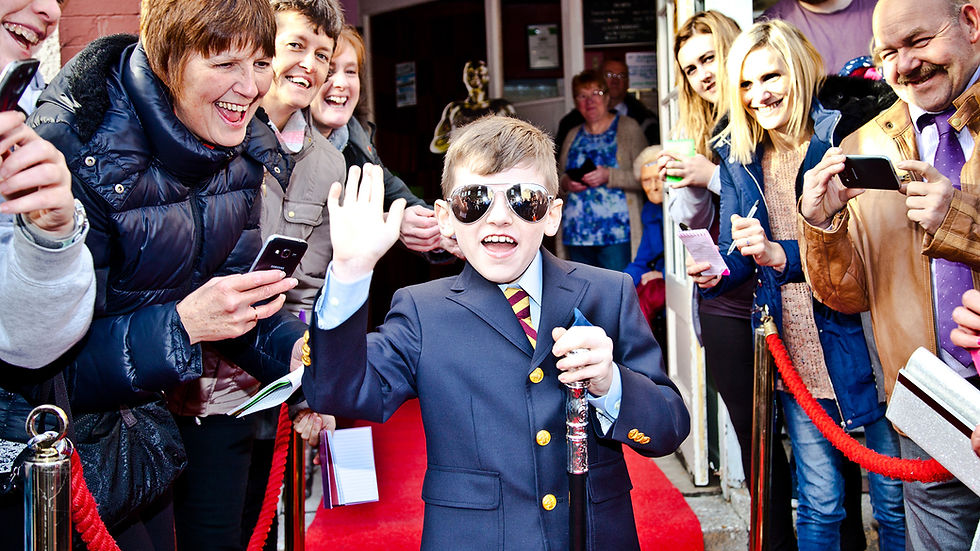
Professional photographers are trained to find these moments without forcing them. They understand body language and timing. They know how to work quickly before an expression passes. They also know how to stay unobtrusive, which helps people behave naturally.
This is not about catching people unprepared in an unflattering way. A good photographer aims for respectful, human images. They choose angles and moments that show people at their best while keeping the event’s atmosphere honest.
That storytelling quality is especially valuable for commercial events because businesses often need to communicate more than attendance numbers. They need to show engagement, confidence, warmth, professionalism, curiosity, or celebration. Candid images can express those qualities instantly.
A balanced event gallery usually includes:
Wide shots that establish the venue and scale
Detail shots that show design, food, displays, or atmosphere
Key moments from the planned schedule
Natural interaction between guests
Portraits of important people where needed
Closing shots that give the gallery a complete shape
Together, these images build a visual narrative. They show the beginning, the energy, the highlights, and the human response.
How to choose the right photographer for your event
Not every photographer is right for every commercial event. A brilliant studio photographer may not be the best choice for a fast-moving reception. A wedding photographer may have strong people skills but may not fully understand commercial usage, press needs, or brand guidelines.
The right choice starts with the event’s purpose. Before approaching photographers, define what the images need to do after the event.
Are they mainly for internal documentation? Press coverage? Sponsor reporting? A future campaign? A website case study? The end use affects the brief, the shot list, the editing style, and the delivery format.
When comparing photographers, look beyond a few attractive images on a homepage. Review full event galleries where possible. A full gallery shows whether the photographer can maintain quality across different lighting, rooms, and moments.
Key things to assess include:
Relevant event experience
Look for work that matches the scale and pace of your event. A photographer who has covered similar formats will need less direction on the day.
A natural visual style
Some photographers favour bright, polished images. Others work in a more documentary style. Choose a style that fits the tone of the event and how the images will be used.
Low-light ability
Many commercial events take place indoors or in the evening. Check whether the portfolio includes strong images in similar conditions.
Clear communication
A good photographer will ask about timings, key people, restrictions, must-have shots, and final usage. This shows they are thinking beyond simply turning up with a camera.
Reliable delivery details
Confirm when the edited gallery will be delivered, what file formats are included, how images can be downloaded, and what usage rights apply.
Backup planning
Professionals should have spare equipment and a sensible plan in case of technical issues. Event moments cannot be repeated.
It also helps to share practical details early. Send the event schedule, venue information, access times, lighting notes if known, and any restrictions around guests or sensitive areas. If there are people who must be photographed, provide names and reference images where appropriate.
For larger events, consider whether one photographer is enough. A single photographer can cover many receptions, launches, and smaller gatherings well. Larger venues, simultaneous sessions, or events with important activity in multiple places may need a second shooter.
A clear brief is useful, but avoid overloading it. If the photographer spends the whole event ticking off a rigid list, they may miss the natural moments that make the coverage special. Give priorities, then allow room for professional judgement.

A professional eye gives your event a longer life
A commercial event is a live experience, but its value should not end when the final guest leaves. Professional photography helps preserve that value. It gives the business a polished record, a bank of useful content, and a stronger way to communicate the success of the day.
The difference shows in the details: the speaker captured at the right second, the room shown at its best, the guest interaction that feels genuine, the images edited with care and delivered ready to use.
Hiring a professional photographer is not only about nicer pictures. It is about protecting the effort, budget, and purpose behind the event. When the photographs are strong, the event continues to work for the business long after the lights go down.


Comments